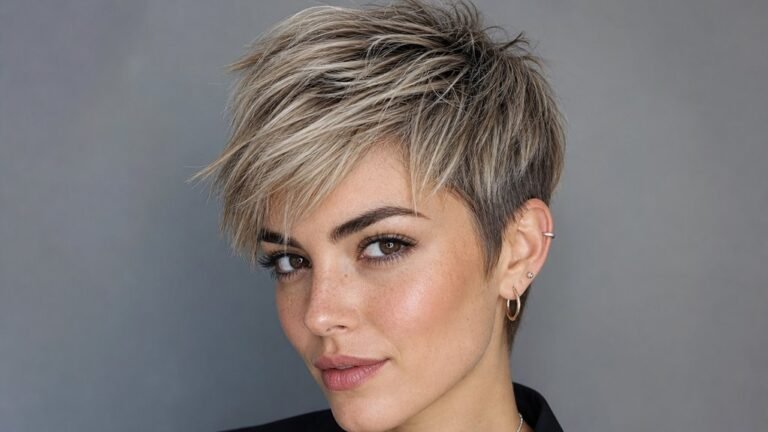
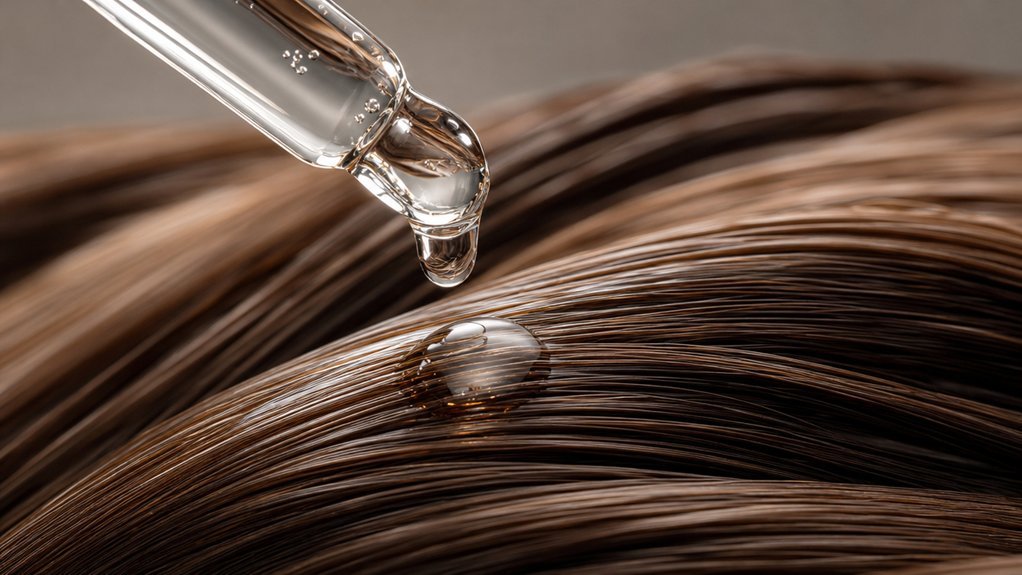
Achieving healthy hair starts with knowing your porosity and scalp needs. Prioritize proteins, vitamins, and zinc in your diet to fuel keratin production. Use sulfate-free cleansers, detangle gently from ends upward, and swap cotton towels for microfiber to stop breakage. Protect strands from heat with silicones and stimulate follicles with four-minute daily scalp massages. If you notice sudden thinning, consult a specialist. Following these science-backed steps guarantees your mane stays resilient and vibrant.
Key Takeaways
- Identify hair type, porosity, and scalp needs to select specific formulas and tools that enhance shine and structural resilience.
- Prioritize a protein-rich diet and essential vitamins like Biotin, A, and C to stimulate keratin production and follicle repair.
- Use sulfate-free cleansers and microfiber towels while avoiding tight hairstyles to preserve natural elasticity and prevent mechanical breakage.
- Apply thermal protectants and UV filters to shield strands from heat styling, environmental pollutants, and chlorine damage.
- Perform daily scalp massages with firm, rhythmic pressure to revitalize follicles and encourage thicker, healthier hair growth.
Identify Your Hair Type and Scalp Needs
Why does your hair react differently to products than someone else’s? You’ll find the answer by examining your unique hair type and scalp condition. First, determine your strand diameter. You possess fine hair if a single thread feels invisible between your fingers, or coarse hair if it feels like wire.
Discover why your hair reacts uniquely by examining your specific strand diameter and overall scalp condition.
Next, check your porosity. If your locks soak up water instantly but dry out fast, you’re dealing with high porosity. This trait dictates how effectively you retain moisture.
Don’t ignore your scalp’s environment. You might struggle with an oily base while your ends remain brittle. If you notice flakes or persistent itching, you’re likely facing dryness or sensitivity.
You shouldn’t just grab any bottle off the shelf. Instead, you must select formulas that balance your specific oil production levels. Once you master these details, you’ll choose tools and cleansers that actually enhance your natural texture and shine.
Eat These Essential Nutrients for Hair Growth
You’ll need to prioritize protein to build the foundation for strong, resilient strands.
You can’t ignore essential vitamins and minerals if you want to fuel consistent follicle production.
Focus on these core building blocks to guarantee your hair’s health starts from the inside out.
Protein For Strong Strands
Fueling your body with high-quality protein provides the structural foundation your hair needs to thrive and resist breakage. Since your hair’s primarily composed of a tough protein called keratin, skimping on these macronutrients leads to brittle, thinning locks. You’ve got to prioritize amino acids to keep your follicles productive and resilient.
Start your day with eggs, which offer a complete protein profile to kickstart cellular repair. Incorporate lean meats like chicken or turkey to make certain your scalp receives the necessary building blocks for length retention. If you prefer plant-based options, reach for lentils, chickpeas, or quinoa to sustain strength from the inside out. By consistently consuming these lean sources, you’re actively fortifying every strand. Don’t let a protein deficiency stall your progress; eat your way to stronger hair.
Vital Vitamins And Minerals
Building a sturdy foundation with protein sets the stage, but your hair also requires a specific cocktail of micronutrients to maintain its luster and pace of growth.
You shouldn’t ignore Vitamin A, as it helps your glands produce sebum to moisturize the scalp.
If you’re seeing sluggish results, Vitamin C boosts collagen production and aids iron absorption.
Since iron carries oxygen to your cells, it’s crucial for follicle repair.
Don’t forget Biotin; this B-vitamin stimulates keratin production to prevent thinning.
You’ll also need Vitamin E to combat oxidative stress that ages your strands prematurely.
Finally, prioritize zinc to keep the oil glands around your follicles functioning perfectly.
Build a Gentle Daily Hair Care Routine
You’ll transform your hair’s texture by switching to sulfate-free cleansers that preserve natural oils.
Don’t weigh down your strands; instead, apply a lightweight conditioner to maintain bounce and moisture.
You can further protect your hair’s integrity when you minimize the use of damaging heat styling tools.
Choose Sulfate-Free Cleansers
Most conventional shampoos rely on harsh surfactants like sodium lauryl sulfate to create a deep lather, but these chemicals often strip away the natural oils your scalp needs to stay healthy. When you use these aggressive detergents, you risk irritating your skin and leaving your strands brittle.
You’ll notice a significant difference once you switch to sulfate-free cleansers. These formulas utilize milder ingredients that effectively remove dirt and excess sebum without disrupting your hair’s moisture barrier.
You aren’t sacrificing cleanliness for comfort; instead, you’re protecting your hair’s structural integrity. Look for labels featuring coco-glucoside or decyl glucoside to guarantee a gentle wash. By making this simple swap, you maintain your scalp’s pH balance and prevent unnecessary breakage. Your hair stays stronger, smoother, and far more manageable.
Apply Lightweight Conditioners
Once you’ve cleansed with a mild formula, you need to restore moisture without weighing down your strands. Select a lightweight conditioner specifically designed for daily use to maintain bounce and volume. You shouldn’t apply product directly to your scalp; instead, focus on the mid-lengths and ends where dryness typically occurs. Work the cream through your hair using your fingers or a wide-tooth comb to guarantee even distribution and effortless detangling.
Let the formula sit for two minutes so the hydrating nutrients can penetrate the cuticle. Rinse thoroughly with cool water to seal the shaft and boost natural shine. This simple step locks in essential hydration while keeping your hair feeling airy. You’ll notice improved manageability and softness immediately. Consistent conditioning protects against environmental damage and keeps your tresses healthy.
Minimize Heat Styling Tools
Although blow-drying and flat-ironing provide instant polish, frequent exposure to high temperatures strips away the hair’s natural moisture and leads to permanent structural damage.
You’ll notice split ends and brittle textures when you rely too heavily on these tools. To protect your strands, limit heat usage to once or twice a week.
Always apply a high-quality heat protectant spray before styling to create a defensive barrier.
Explore heatless alternatives like silk rollers or overnight braids to achieve beautiful styles without the scorched consequences.
When you must use a hair dryer, choose the lowest effective temperature and keep the nozzle moving constantly.
Choose Shampoo Ingredients That Actually Work
Navigate the crowded hair care aisle by focusing on bioactive compounds rather than marketing jargon. You don’t need a dozen different bottles when you understand which molecules truly penetrate the cuticle or soothe the scalp. Your hair’s health depends on chemistry, not celebrity endorsements. Look for formulations that balance cleansing with structural reinforcement to make certain your strands stay resilient and hydrated.
Prioritize these three powerhouse ingredients for peak results:
- Ketoconazole or salicylic acid to eliminate fungal growth and clear follicle-clogging debris.
- Hydrolyzed proteins, such as keratin or silk, which temporarily fill gaps in the damaged hair shaft.
- Glycerin and panthenol to draw moisture into the core, maintaining elasticity and preventing brittleness.
Don’t let flashy packaging distract you from the ingredient label. When you select targeted actives, you’re investing in your hair’s long-term essentialness. Check the concentrations and stick to science-backed components that deliver visible improvements.
Avoid These Common Habits That Cause Breakage
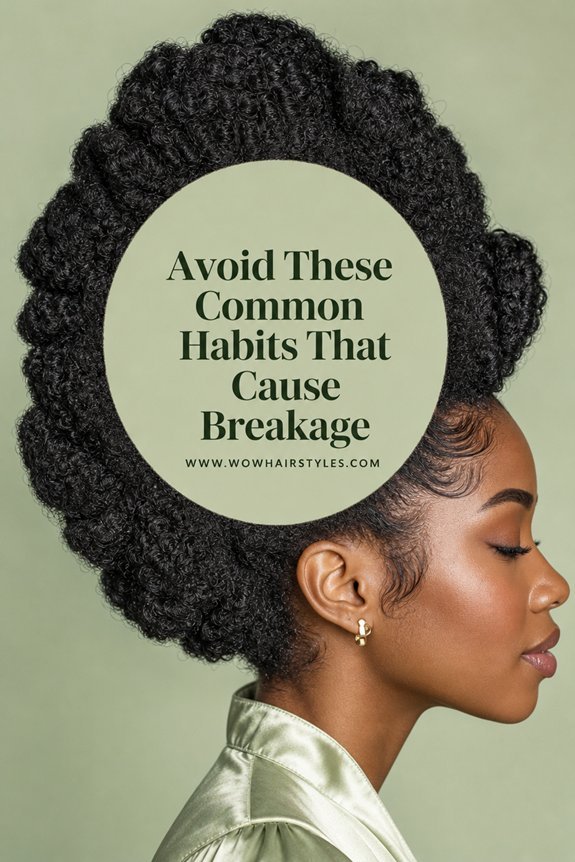
Stop wearing down your hair’s integrity through repetitive physical stress and poor styling routines. You’re likely damaging your strands every time you brush wet locks. Water weakens the hydrogen bonds, making hair prone to snapping. Use a wide-tooth comb and work from the ends upward to prevent unnecessary tension. Don’t reach for that elastic hair tie either. Tight ponytails and buns create friction that eventually leads to localized thinning and mid-shaft breakage. Swap them for silk scrunchies or clips to reduce pressure.
Furthermore, you shouldn’t dry your hair by vigorously rubbing it with a rough cotton towel. This lifts the cuticle and causes fraying. Instead, gently squeeze out moisture using a microfiber cloth.
Finally, turn down the heat. Frequent use of flat irons without a thermal protectant fries the protein structure. By adjusting these daily behaviors, you’ll preserve your hair’s natural elasticity and stop split ends before they start.
Master Scalp Massage Techniques for Better Circulation
Optimizing your external routine prevents damage, but true hair health starts beneath the surface where blood flow fuels the follicles. You can easily boost this essential circulation by mastering a few intentional movements during your daily shower. Instead of scrubbing aggressively with your fingernails, use your fingertips to apply firm, rhythmic pressure. This action dilates blood vessels, ensuring oxygen and essential nutrients reach every root.
- Begin at your hairline, using slow circular motions to loosen the skin.
- Move steadily toward the crown, increasing pressure to release deep-seated tension.
- Finish at the nape of your neck to stimulate the primary lymphatic pathways.
Consistent practice doesn’t just feel relaxing; it revitalizes dormant bulbs and encourages thicker growth patterns. You’ll notice a significant difference in vitality when you prioritize these four-minute sessions. Don’t rush the process. Treat your scalp like the living foundation it’s to achieve lasting, natural radiance.
Protect Your Strands From Heat and Environmental Damage
While internal circulation builds a strong foundation, your hair remains vulnerable to external stressors that can degrade the cuticle over time. Excessive heat from blow-dryers and flat irons creates microscopic cracks in the hair shaft, leading to moisture loss and brittle ends. You must apply a silicone-based heat protectant before using any styling tool to create a thermal barrier. Lower your device’s temperature setting to prevent protein denaturation.
Beyond the bathroom, environmental factors like UV rays and pollution oxidize your hair’s natural pigments and weaken structural bonds. Wear a hat or use leave-in conditioners containing UV filters when you’re outdoors for extended periods. Hard water minerals and chlorine also cause buildup, so rinse your hair with filtered water after swimming. By shielding your strands from these invisible threats, you preserve elasticity and shine. Consistent protection guarantees your hair stays resilient against the daily wear and tear of modern life.
When Should You See a Specialist for Hair Loss?
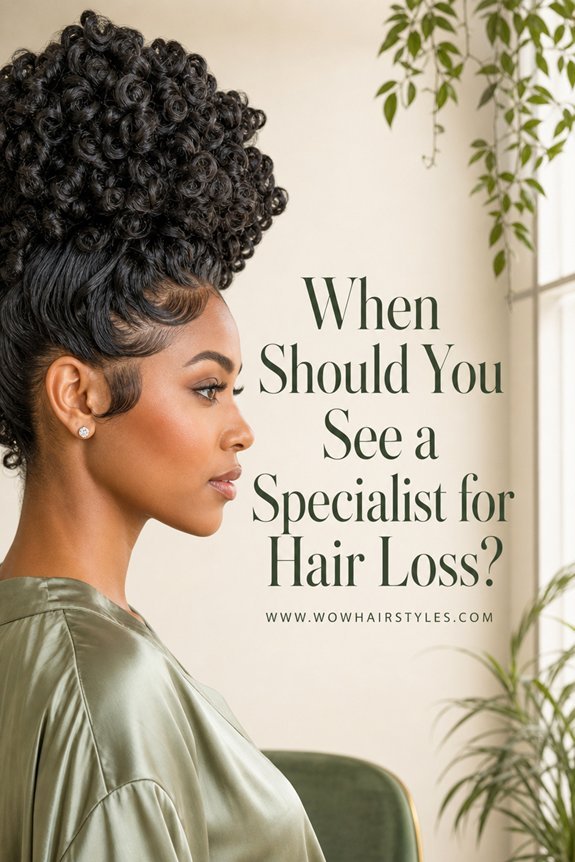
Although losing a few strands in the shower is normal, you should seek professional advice when you notice sudden thinning or visible patches of scalp. Don’t ignore persistent shedding that lasts longer than three months, as it often signals underlying health issues. A dermatologist or trichologist can diagnose the root cause before permanent damage occurs. You’ll likely need an evaluation if you experience these specific symptoms:
- Redness, scaling, or intense itching that accompanies your hair fall.
- Rapid loss of eyebrows or eyelashes alongside scalp thinning.
- Excessive breakage that leaves your hair feeling brittle and sparse.
Early intervention stops the progression of conditions like alopecia or hormonal imbalances. When you act quickly, you give your follicles a better chance at recovery. Keep track of your daily habits and stress levels, then present these details to your doctor. They’ll help you regain your confidence and restore your hair’s natural essentiality.
Frequently Asked Questions
How Often Should I Get My Hair Trimmed to Maintain Overall Health?
You should schedule a trim every six to eight weeks to prevent split ends from traveling up your hair shafts. If you use heat tools frequently, you’ll likely need more regular maintenance to keep your strands resilient.
Don’t wait until you see visible damage; consistent snips preserve your length and volume. You’ll notice your style stays fresh and your hair feels markedly softer when you stick to this healthy routine.
Does Sleeping on a Silk Pillowcase Actually Prevent Overnight Hair Tangles?
You’ll stop battling Medusa every morning when you switch to silk. This smooth fabric reduces friction, so your hair glides across the surface while you sleep.
Unlike cotton, which grips and roughens your cuticles, silk keeps your strands aligned and intact. You’re saving your hair from unnecessary breakage and knots.
It’s not just a luxury; it’s a shield. You’ll wake up with manageable, tangle-free locks because silk works for you.
Can Hard Water in My Shower Cause Long-Term Damage to My Hair?
Hard water definitely ruins your hair’s health over time.
When you wash with mineral-heavy water, calcium and magnesium build up on your strands like a crusty film.
This barrier blocks moisture, so your hair becomes brittle, dull, and prone to breakage.
You’ll notice your color fades faster and your scalp feels itchy.
Don’t let these deposits destroy your texture; install a filtered showerhead to save your precious locks.
Is It Safe to Dye Your Hair While Recovering From Scalp Irritation?
You shouldn’t dye your hair while your scalp heals. Chemicals in hair dye, like ammonia and peroxide, aggressively irritate sensitive skin and worsen existing inflammation.
You’ll risk chemical burns or severe allergic reactions if you apply dye to compromised tissue. Wait until your skin feels completely normal again.
Once your scalp’s healthy, perform a patch test first. Your hair’s health depends on a stable foundation, so don’t rush this process.
Does Swimming in Chlorinated Pools Significantly Impact Professional Hair Color Longevity?
Chlorine acts like a hungry thief, snatching the vibrant pigments right out of your strands.
You’ll notice your expensive professional color fading fast if you plunge into pools without protection.
The harsh chemicals strip away natural oils and force the hair cuticle open, letting the dye escape.
You’re literally washing your investment down the drain.
To save your look, you shouldn’t skip a pre-swim rinse or a protective leave-in conditioner.
Conclusion
Your hair’s the garden of your body, so don’t forget to water the roots with good habits. By mastering your routine and nourishing your scalp, you’ll turn dull strands into a vibrant crown. It’s not just about vanity; it’s about health. If things don’t seem right, don’t hesitate to consult a pro. You’ve got the tools now—go ahead and give your hair the love and care it truly deserves.